Mount Kilimanjaro National Park

Mount Kilimanjaro National Park

Overview
Rising majestically above the plains of Northern Tanzania, Mount Kilimanjaro National Park is one of Africa’s most iconic natural wonders and among the most sought after travel destinations in the world. Home to the legendary Mount Kilimanjaro, the tallest mountain in Africa and the highest free standing mountain on Earth, this extraordinary national park attracts thousands of climbers, adventurers, photographers, honeymooners, and wildlife enthusiasts every year.
At Kibo Trips African Safaris, based in Arusha, Tanzania, we proudly guide travelers through unforgettable Mount Kilimanjaro trekking adventures, wildlife safaris, and cultural experiences. Mount Kilimanjaro National Park offers breathtaking landscapes, diverse ecological zones, snow capped peaks, volcanic formations, rich biodiversity, and life changing climbing experiences that continue to inspire travelers from around the globe.
Whether you are planning a Tanzania luxury safari, a Kilimanjaro hiking expedition, a honeymoon adventure, or a once in a lifetime African mountain climbing journey in 2026, Mount Kilimanjaro National Park remains one of the top travel destinations in East Africa.
History of Mount Kilimanjaro National Park
mountain has deep cultural and spiritual significance among the Chagga people who have lived around its fertile slopes for generations. Local legends and oral traditions describe the mountain as a sacred place connected to nature, water, and ancestral spirits.
European explorers first documented Mount Kilimanjaro during the nineteenth century when missionaries and geographers began exploring East Africa. The snow covered summit near the equator amazed early explorers and quickly turned Kilimanjaro into one of the most famous mountains in the world.
Mount Kilimanjaro National Park was officially established in 1973 to protect the mountain’s unique ecosystems, forests, and fragile alpine environment. Later, in 1987, the park was declared a UNESCO World Heritage Site because of its exceptional natural beauty and ecological importance.
Today, the park is internationally recognized as one of the best trekking destinations in Africa and a leading eco tourism attraction in Tanzania. The conservation efforts within the park help protect wildlife habitats, water catchment forests, and the delicate glaciers found near the summit.
Geography Size and Ecology
Mount Kilimanjaro National Park covers approximately 1,688 square kilometers, including the mountain itself and surrounding montane forest reserves. The park is located in northeastern Tanzania near the Kenya border and dominates the surrounding plains with its immense volcanic structure.
Mount Kilimanjaro consists of three volcanic cones:
• Kibo
• Mawenzi
• Shira
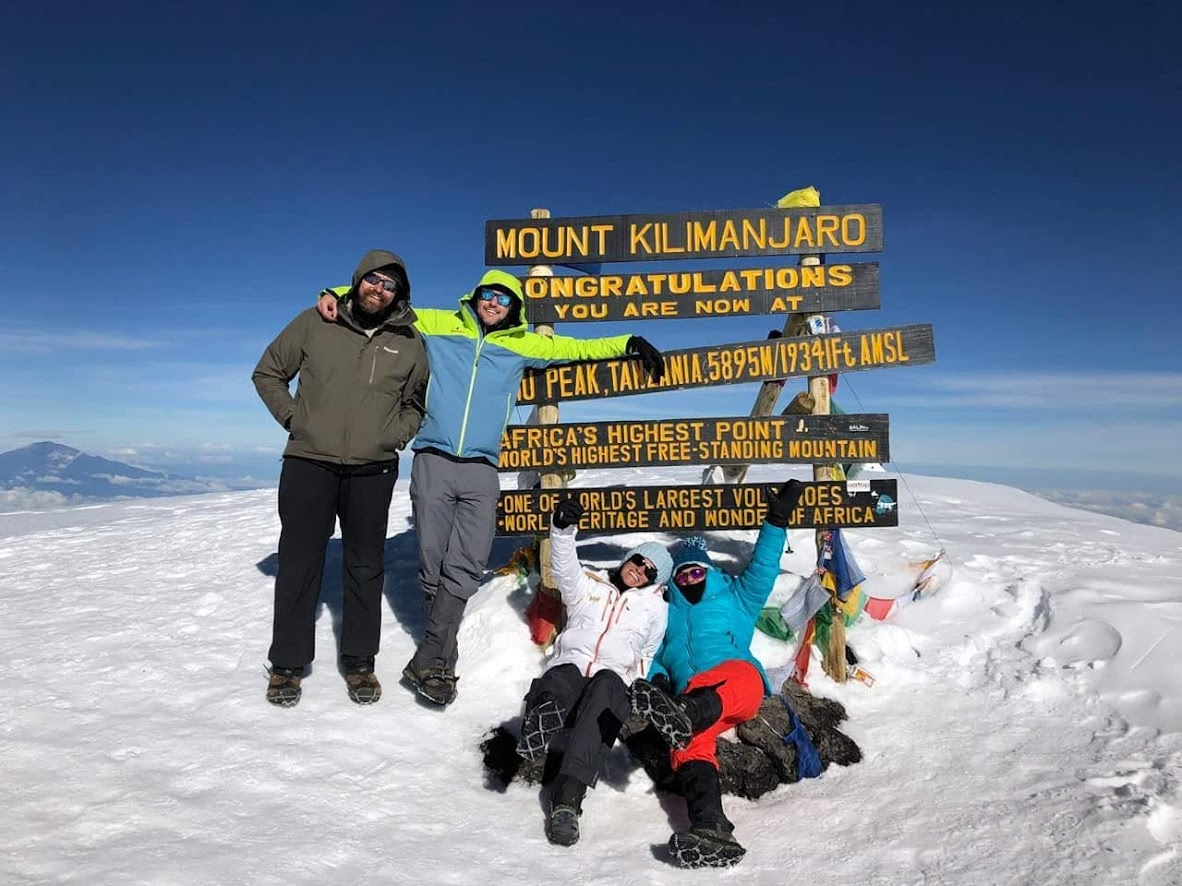
Kibo is the tallest cone and contains the famous Uhuru Peak, standing at approximately 5,895 meters above sea level, making it the highest point in Africa.The geography of the park is exceptionally unique because climbers experience multiple ecological zones during a single ascent. As visitors climb higher, the landscapes and climates change dramatically.
The ecological zones include:
• Cultivated farmland zone
• Rainforest zone
• Heather and moorland zone
• Alpine desert zone
• Arctic summit zone
The rainforest zone contains dense vegetation, waterfalls, giant trees, moss covered forests, and rich wildlife habitats. Higher elevations become colder and more barren until reaching the glacier covered summit.
Mount Kilimanjaro plays a critical ecological role as one of Tanzania’s most important water catchment areas. The forests surrounding the mountain supply water to nearby communities, agriculture, and wildlife ecosystems across the region.
Wildlife and Biodiversity
Although Mount Kilimanjaro National Park is globally famous for trekking, it also supports remarkable biodiversity. The lower forest zones are rich in wildlife and bird species, making the park important for eco tourism and conservation.
Visitors may encounter:
• Blue monkeys
• Colobus monkeys
• Bushbucks
• Forest elephants occasionally
• Buffaloes
• Duikers
• Leopards rarely
• Various small mammals
The montane forests are home to hundreds of bird species including colorful turacos, hornbills, sunbirds, eagles, and migratory birds. The vegetation changes dramatically with altitude. Climbers can observe tropical rainforests, giant groundsels, alpine flowers, volcanic rock formations, glaciers, and snow fields all within a single expedition. This extraordinary biodiversity makes Mount Kilimanjaro National Park one of the most scientifically important mountain ecosystems in Africa.
Accessibility and Location
Mount Kilimanjaro National Park is one of the most accessible adventure destinations in Tanzania. Its proximity to major airports and tourism infrastructure makes it highly convenient for international travelers.
The park is located approximately:
• 80 kilometers from Arusha town
• 50 kilometers from Kilimanjaro International Airport
• A short drive from Moshi town
Travelers can easily reach the park through well maintained roads connecting Arusha, Moshi, and Kilimanjaro International Airport.
Main entry gates into the park include:
• Marangu Gate
• Machame Gate
• Londorossi Gate
• Rongai Gate
• Umbwe Gate
• Lemosho access area
The excellent accessibility allows visitors to combine Mount Kilimanjaro climbing adventures with wildlife safaris to destinations such as:
• Serengeti National Park
• Ngorongoro Conservation Area
• Tarangire National Park
• Arusha National Park
Popular Mount Kilimanjaro Climbing Routes
Mount Kilimanjaro National Park offers several famous trekking routes, each providing different scenery, difficulty levels, and success rates.
Machame Route
The Machame Route is one of the most scenic and popular Kilimanjaro climbing routes. It offers stunning mountain views, varied landscapes, and excellent acclimatization opportunities.
Marangu Route
Often called the “Coca Cola Route,” the Marangu Route is famous for its hut accommodations and relatively gradual ascent.
Lemosho Route
The Lemosho Route is highly recommended for travelers seeking beautiful wilderness scenery, lower crowds, and higher summit success rates.
Rongai Route
The Rongai Route approaches the mountain from the northern side near Kenya and is known for its dry conditions and peaceful trails.
Umbwe Route
The Umbwe Route is one of the steepest and most challenging Kilimanjaro routes, suitable for experienced climbers.
Important Climbing Information
Climbing Mount Kilimanjaro does not require technical mountaineering skills, but physical preparation and proper acclimatization are extremely important.
Key climbing considerations include:
• Proper physical fitness
• Altitude acclimatization
• Professional mountain guides
• Quality trekking equipment
• Warm layered clothing
• Hydration and nutrition
• Travel insurance
Altitude sickness remains one of the biggest challenges for climbers. Longer routes with gradual ascents generally improve summit success rates.
Why Visit Mount Kilimanjaro National Park?
Mount Kilimanjaro National Park remains one of the world’s greatest adventure tourism destinations in 2026. Travelers increasingly seek transformative outdoor experiences, eco tourism adventures, and authentic African journeys, making Kilimanjaro more popular than ever.
Reasons to visit include:
• Climb the highest mountain in Africa
• Experience multiple ecological zones
• Witness glaciers near the equator
• Enjoy breathtaking sunrise views above the clouds
• Explore rich rainforest ecosystems
• Combine trekking with luxury Tanzania safaris
• Discover authentic Chagga cultural experiences
• Challenge yourself physically and mentally
• Capture world class photography opportunities
For many travelers, reaching Uhuru Peak becomes a life changing achievement and one of the greatest personal accomplishments of their lives.
Best Time to Visit Mount Kilimanjaro National Park
Mount Kilimanjaro can be climbed throughout the year, but weather conditions vary depending on the season.
Best Climbing Seasons
The most popular trekking periods are:
• January to March
• June to October
During these months, the weather is generally drier with clearer summit views and safer trekking conditions.
Green Season
The rainy seasons from March to May and November may bring slippery trails and cloudy conditions, although fewer crowds and lush scenery attract some travelers.
Accommodation Around Mount Kilimanjaro National Park
Travelers visiting Mount Kilimanjaro National Park can choose from a wide range of accommodations before and after their climb.
Accommodation options include:
• Luxury mountain lodges
• Boutique safari hotels
• Eco lodges
• Midrange hotels
• Budget guesthouses
• Private villas
• Wellness retreats
• Huts Inside the Park Especially In The Marangu Route
Most accommodations are located in Moshi and Arusha, offering convenient access to the mountain gates and airport transfers.
Conservation and Environmental Challenges
Mount Kilimanjaro National Park faces several environmental challenges linked to climate change and increasing tourism activities.
Key conservation concerns include:
• Glacier reduction and ice loss
• Forest degradation
• Climate change impacts
• Waste management during trekking
• Habitat conservation
• Water resource protection
Sustainable tourism and responsible trekking practices are essential for preserving the mountain for future generations.
Here at Kibo Trips African Safaris, we strongly support eco friendly tourism practices, responsible mountain climbing, and environmental conservation initiatives across Tanzania.
Mount Kilimanjaro National Park stands as one of Africa’s most extraordinary natural treasures. From its snow capped summit and volcanic landscapes to its lush forests and unforgettable trekking routes, the park offers a truly unmatched adventure experience. Whether you dream of standing on the Roof of Africa, exploring unique ecosystems, or combining mountain climbing with a luxury Tanzania safari, Mount Kilimanjaro National Park promises unforgettable memories and breathtaking discoveries.
At Kibo Trips African Safaris in Arusha, Tanzania, we are dedicated to creating safe, professional, and unforgettable Kilimanjaro adventures for travelers from around the world. Our experienced mountain guides, personalized trekking services, and passion for Tanzania ensure that every journey to Mount Kilimanjaro becomes a remarkable lifetime experience.
Read Reviews

Follow us
- Kibo Trips African Safaris
- @kibotrips_africansafaris
- +255 756 045 182
- +255 756 045 182
- sales@kibotripsafricansafaris.com
- Arusha, Tanzania
We Accept