Conservation In Tanzania

Home Conservation In Tanzania
About Conservation In Tanzania

Wildlife Conservation Areas In Tanzania
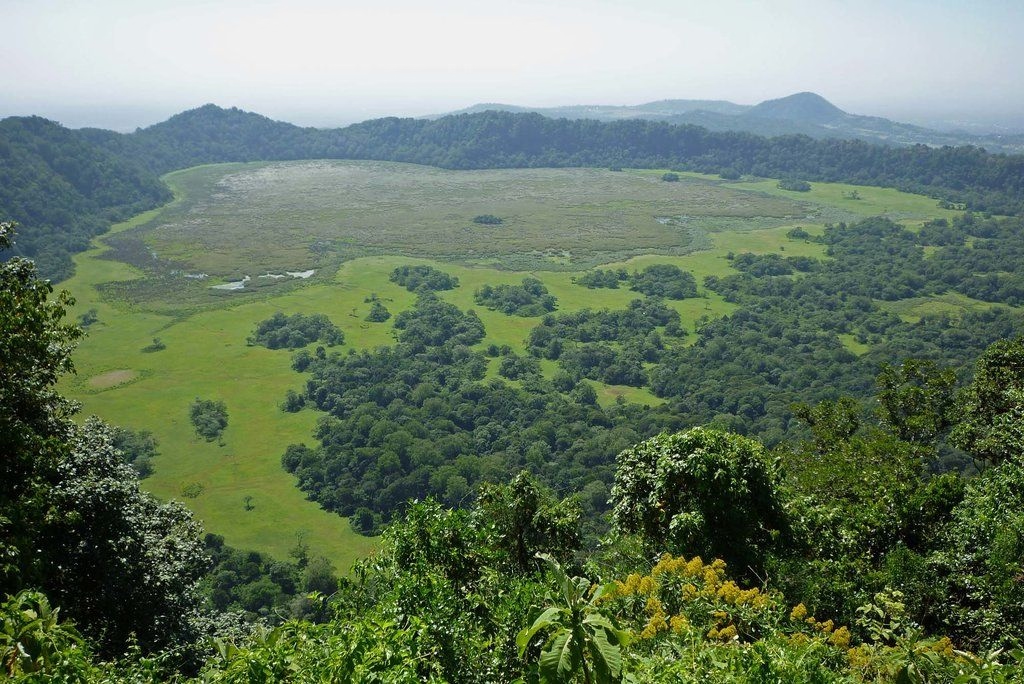
Tanzania is globally recognized for its outstanding wildlife conservation efforts and breathtaking natural landscapes. Home to world famous destinations such as Serengeti National Park, Ngorongoro Conservation Area, Tarangire National Park, and Ruaha National Park, Tanzania protects millions of hectares of land dedicated to wildlife preservation and sustainable tourism. At Kibo Trips African Safaris, based in Arusha, we proudly guide travelers through some of Africa’s most important ecosystems while promoting responsible tourism practices.
Conservation in Tanzania focuses on protecting endangered wildlife species, preserving natural habitats, supporting local communities, and maintaining ecological balance for future generations. Visitors exploring Tanzania’s national parks and conservation areas experience incredible biodiversity while contributing directly to conservation projects through park fees and eco tourism activities.
Key conservation areas in Tanzania include:
• National Parks protecting wildlife and natural ecosystems
• Game Reserves supporting controlled wildlife management
• Marine Parks conserving coral reefs and marine life
• Community Conservation Areas involving local communities in sustainable tourism
• Forest Reserves preserving indigenous forests and biodiversity
These protected areas provide safe habitats for elephants, lions, rhinos, giraffes, cheetahs, zebras, wildebeests, and hundreds of bird species.
Importance Of Wildlife Conservation
Wildlife conservation in Tanzania plays a major role in protecting Africa’s natural heritage and supporting the tourism industry. Tanzania’s safari tourism attracts visitors from around the world who come to witness the famous Great Migration, Big Five safaris, mountain trekking adventures, and authentic cultural experiences.
Conservation benefits Tanzania in several important ways:
• Protects endangered wildlife species from extinction
• Supports sustainable tourism growth and eco tourism development
• Creates employment opportunities for local communities
• Preserves natural habitats and ecosystems
• Promotes environmental education and awareness
• Generates revenue for conservation projects and community development
Without strong conservation efforts, many wildlife species and ecosystems would face serious threats from poaching, deforestation, habitat destruction, and climate change. Tanzania continues to strengthen wildlife protection policies and sustainable tourism strategies to ensure nature remains protected for future generations.
Community Involvement In Conservation
Local communities are an essential part of conservation success in Tanzania. Many conservation programs encourage villages and local organizations to participate directly in wildlife protection, cultural tourism, and environmental sustainability projects.
Community based conservation helps local people benefit from tourism while protecting natural resources. Through eco tourism initiatives, communities earn income from safari tourism, cultural experiences, handicrafts, guiding services, and conservation employment opportunities.
Community conservation activities include:
• Anti poaching programs and wildlife monitoring
• Tree planting and environmental restoration projects
• Cultural tourism experiences supporting local families
• Educational programs about wildlife conservation
• Sustainable farming and land management practices
At Kibo Trips African Safaris, we support responsible tourism that respects local cultures, protects wildlife habitats, and contributes positively to community development in Tanzania.
Challenges Facing Conservation In Tanzania
Although Tanzania remains one of Africa’s leading conservation destinations, several environmental challenges continue to affect wildlife and ecosystems. Conservation organizations, government authorities, safari companies, and local communities work together to reduce these threats and improve long term sustainability.
Major conservation challenges include:
• Illegal poaching and wildlife trafficking
• Climate change and drought conditions
• Human wildlife conflict near protected areas
• Deforestation and habitat destruction
• Population growth and land pressure
• Pollution affecting ecosystems and water sources
Conservation authorities continue to strengthen wildlife protection laws, expand conservation education, and invest in sustainable tourism to protect Tanzania’s extraordinary natural beauty. Responsible travelers also play an important role by choosing ethical safari operators and supporting eco friendly tourism practices.
Responsible Tourism And Sustainable Safaris
Responsible tourism is one of the best ways travelers can support conservation in Tanzania. Sustainable safaris help minimize environmental impact while contributing directly to wildlife protection and local community development.
At Kibo Trips African Safaris, we encourage visitors to travel responsibly and respect Tanzania’s natural environment during their safari experiences. Our safari experiences are designed to promote conservation awareness while providing unforgettable wildlife adventures across Tanzania’s iconic national parks and conservation areas.
Responsible tourism practices include:
• Respecting wildlife viewing regulations
• Avoiding littering in parks and conservation areas
• Supporting eco friendly accommodations and camps
• Respecting local cultures and traditions
• Reducing plastic waste during travel
• Supporting local conservation initiatives
Tanzania remains one of the world’s greatest safari destinations because of its commitment to conservation and sustainable tourism. By visiting Tanzania responsibly, travelers help preserve the country’s incredible wildlife, landscapes, and cultural heritage for generations to come.
Read Reviews

Follow us
- Kibo Trips African Safaris
- @kibotrips_africansafaris
- +255 756 045 182
- +255 756 045 182
- sales@kibotripsafricansafaris.com
- Arusha, Tanzania
We Accept