Preparing For Mountain Climbing

Home Preparing For Mountain Climbing
About Preparing For Mountain Climbing

A) Planning Your Mountain Climbing Adventure
Mountain climbing in Tanzania is one of the most exciting outdoor adventures in Africa. From the world famous Mount Kilimanjaro to the scenic Mount Meru, Tanzania offers incredible trekking experiences for beginners and experienced climbers alike. At Kibo Trips African Safaris, based in Arusha, we help travelers prepare properly for safe, enjoyable, and successful mountain climbing adventures.
Proper planning is essential before starting any mountain trek. Travelers should choose the right climbing route, understand the duration of the trek, and prepare physically and mentally for high altitude conditions. Booking with an experienced mountain climbing company also ensures professional guidance, safety support, and quality equipment throughout the journey.
Important planning considerations include:
• Choosing the right climbing route and itinerary
• Understanding altitude and weather conditions
• Booking experienced mountain guides and porters
• Allowing enough time for acclimatization
• Preparing travel documents and insurance
Good preparation increases the chances of a successful summit experience while making the adventure more comfortable and rewarding.
B) Physical Preparation And Fitness
Mountain climbing requires physical endurance, mental determination, and proper fitness preparation. Climbers do not need to be professional athletes, but improving overall fitness before the trek helps the body handle long hiking days and high altitude conditions more effectively.
Travelers are encouraged to begin fitness training several weeks before the climb. Regular walking, hiking, jogging, cycling, and cardio exercises help improve stamina and breathing capacity.
Recommended fitness preparation includes:
• Walking or hiking on uneven terrain
• Cardio exercises to improve endurance
• Strength training for legs and core muscles
• Practicing with a backpack during training
• Staying hydrated and maintaining healthy nutrition
Mental preparation is equally important because mountain climbing can be physically challenging. Staying positive, moving slowly, and following guide instructions help climbers adapt better during the trek.
C) Essential Mountain Climbing Gear
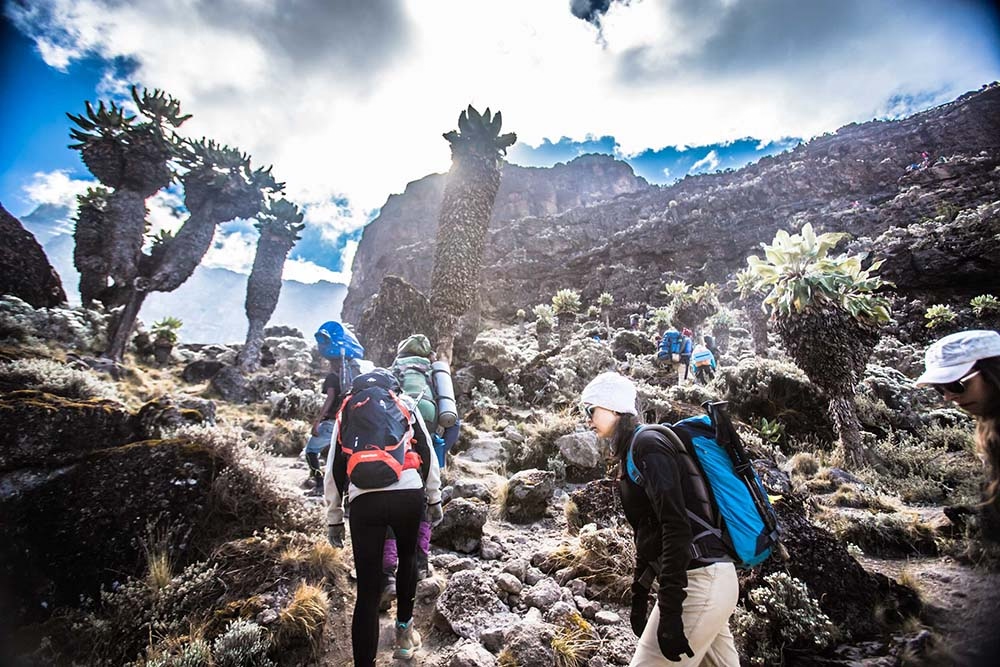
Packing the right mountain climbing equipment is extremely important for safety and comfort during the trek. Temperatures on mountains such as Kilimanjaro can change dramatically from warm tropical weather to freezing summit conditions.
Climbers should pack high quality gear suitable for cold temperatures, rain, wind, and long hiking days. Proper layering helps maintain body warmth while adapting to changing weather conditions.
Essential climbing gear includes:
• Waterproof hiking boots with good ankle support
• Warm thermal clothing and insulated jackets
• Waterproof rain gear and gloves
• Warm hat, sunglasses, and sun protection
• Comfortable hiking trousers and moisture wicking shirts
• Headlamp with extra batteries
• Sleeping bag suitable for cold temperatures
• Reusable water bottles and hydration packs
Having proper climbing equipment greatly improves comfort, safety, and overall trekking performance on the mountain.
D) Health And Safety On The Mountain
Health and safety are very important during mountain climbing adventures. High altitude trekking can affect climbers differently, which is why proper acclimatization and professional support are essential throughout the journey.
Altitude sickness is one of the most common challenges during mountain climbing. Climbers are advised to move slowly, drink plenty of water, eat properly, and communicate openly with guides about any symptoms experienced during the climb.
Important health and safety tips include:
• Climbing slowly to support acclimatization
• Drinking enough water throughout the trek
• Getting enough rest during climbing days
• Listening carefully to mountain guides
• Avoiding alcohol before and during the climb
• Carrying personal medications if needed
At Kibo Trips African Safaris, our experienced mountain teams prioritize climber safety and provide professional support during every stage of the trekking adventure.
E) Responsible Climbing And Mountain Conservation
Responsible tourism and environmental conservation are important parts of mountain climbing in Tanzania. Mountains such as Kilimanjaro and Mount Meru are protected natural environments that require careful preservation for future generations.
Travelers are encouraged to respect nature, local communities, and conservation guidelines during their mountain adventure. Sustainable climbing practices help protect mountain ecosystems, wildlife, forests, and water sources.
Responsible climbing practices include:
• Avoiding littering on mountain trails
• Following park regulations and guide instructions
• Respecting local cultures and mountain staff
• Using environmentally friendly travel practices
• Supporting ethical tourism and conservation efforts
Preparing responsibly for mountain climbing allows travelers to fully enjoy Tanzania’s spectacular mountain landscapes while contributing positively to environmental conservation and sustainable tourism.
Practical Info
How to Book Your Safari
Preparing for a Safari
Preparing for Mountain Climbing
Visa in Tanzania
Conservation In Tanzania
Weather In Tanzania
Read Reviews

Follow us
- Kibo Trips African Safaris
- @kibotrips_africansafaris
- +255 756 045 182
- +255 756 045 182
- sales@kibotripsafricansafaris.com
- Arusha, Tanzania
We Accept