Lake Manyara National Park

Lake Manyara National Park

Overview
Lake Manyara National Park is one of Tanzania’s most beautiful and ecologically diverse safari destinations, offering travelers an extraordinary combination of wildlife, scenic landscapes, birdlife, forests, lakes, and authentic African safari experiences. Located beneath the dramatic cliffs of the Great Rift Valley Escarpment in northern Tanzania, this stunning national park is famous for its tree climbing lions, large elephant populations, pink flamingos, lush groundwater forests, and breathtaking lake views.
Despite being one of the smaller parks within Tanzania’s Northern Safari Circuit, Lake Manyara National Park provides an incredibly rich safari experience filled with wildlife encounters, panoramic scenery, and diverse ecosystems. The park is ideal for travelers seeking luxury Tanzania safaris, family adventures, honeymoon experiences, photography tours, birdwatching holidays, and short safari excursions from Arusha.
At Kibo Trips African Safaris, based in Arusha, Tanzania, we proudly introduce travelers to the incredible beauty and wildlife of Lake Manyara National Park through expertly guided safari experiences designed to create unforgettable memories. Whether you are visiting Tanzania in 2026 for a wildlife safari, luxury travel experience, or cultural adventure, Lake Manyara National Park remains one of East Africa’s most rewarding safari destinations.
History of Lake Manyara National Park
The history of Lake Manyara National Park is closely connected to wildlife conservation and the cultural heritage of the indigenous communities surrounding the region. For centuries, local communities including the Maasai people lived alongside the wildlife and depended on the fertile landscapes and water resources around Lake Manyara.
The area first gained conservation attention during the colonial era because of its exceptional biodiversity, dense forests, and abundant birdlife. Initially protected as a game reserve in the mid twentieth century, the area was later upgraded to national park status to preserve its unique ecosystems and wildlife populations.
Lake Manyara National Park was officially established in 1960, and over the years it became internationally famous for its rare tree climbing lions and diverse ecological zones packed into a relatively compact area.
Today, the park is considered one of Tanzania’s most important eco tourism destinations and forms an essential part of the famous Northern Tanzania Safari Circuit together with Serengeti, Ngorongoro, and Tarangire.
Geography Size and Ecology
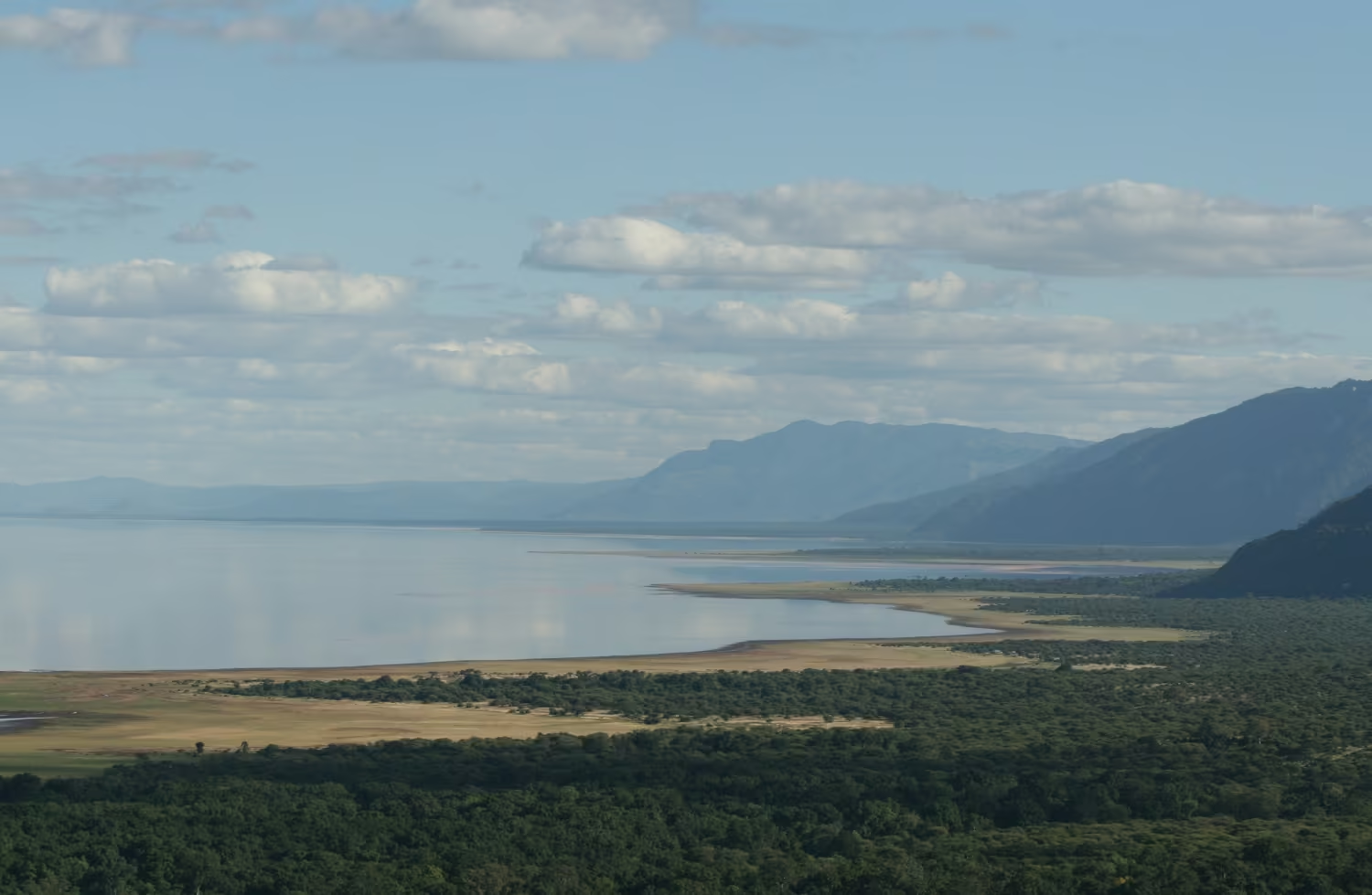
Lake Manyara National Park covers approximately 330 square kilometers, with nearly two thirds of the park occupied by the alkaline waters of Lake Manyara itself. The park lies at the base of the Great Rift Valley Escarpment, creating dramatic scenery and unique ecological conditions.
The geography of the park is incredibly varied and includes:
• Alkaline lake ecosystems
• Dense groundwater forests
• Open grasslands
• Acacia woodlands
• Swamps and wetlands
• Hot springs
• Rift Valley escarpments
The park’s ecological richness is supported by underground water streams flowing from the Ngorongoro Highlands, which sustain lush forests even during dry seasons.
One of the most visually impressive features of the park is the contrast between the towering Rift Valley wall, the shimmering alkaline lake, and the green forests filled with wildlife.
Lake Manyara itself changes in size depending on seasonal rainfall patterns and provides an important habitat for aquatic birds and wildlife species.
The ecological diversity of the park supports both resident and migratory wildlife populations, making it one of the most biologically significant ecosystems in northern Tanzania.
Wildlife and Birdlife
Lake Manyara National Park is globally famous for its rare tree climbing lions, which are often seen resting on acacia tree branches during the day. This unusual lion behavior has made the park internationally recognized among safari travelers and wildlife photographers.
The park is also known for its large elephant herds and rich wildlife diversity. Visitors commonly encounter:
• African elephants
• Tree climbing lions
• Buffaloes
• Giraffes
• Zebras
• Hippos
• Warthogs
• Blue monkeys
• Baboons
• Impalas
• Waterbucks
• Wildebeests occasionally
• Hyenas
The dense forests near the park entrance are especially famous for large troops of baboons and blue monkeys.
Lake Manyara’s combination of forests, grasslands, wetlands, and lake environments creates ideal conditions for a wide range of wildlife species throughout the year.
Birdlife and Biodiversity
Lake Manyara National Park is considered one of Tanzania’s top birdwatching destinations with more than 400 bird species recorded across the ecosystem.
Bird enthusiasts may observe:
• Flamingos
• Pelicans
• Storks
• Hornbills
• Kingfishers
• Eagles
• Cormorants
• Herons
• Bee eaters
• Ibises
• Ostriches
During certain seasons, thousands of flamingos gather along the shores of Lake Manyara, creating spectacular pink landscapes that attract photographers from around the world.
The wetlands and forest ecosystems support both migratory and resident bird populations, making birdwatching one of the park’s most rewarding safari activities.
Accessibility and Location
Lake Manyara National Park is one of the most accessible national parks in Tanzania and serves as an important gateway to the Northern Safari Circuit.
The park is located approximately:
• 125 kilometers from Arusha town
• A two hour drive from Arusha
• Accessible from Kilimanjaro International Airport
Travelers can reach the park through:
• Private safari vehicles
• Guided overland safaris
• Domestic charter flights nearby
Lake Manyara National Park is commonly combined with nearby safari destinations including:
• Serengeti National Park
• Ngorongoro Conservation Area
• Tarangire National Park
• Arusha National Park
Its strategic location makes it ideal for day trips, short wildlife safaris, and luxury safari itineraries.
Best Time to Visit Lake Manyara National Park
Lake Manyara National Park can be visited throughout the year, although each season offers different safari experiences.
Dry Season
From June to October, wildlife viewing becomes easier as animals gather near water sources and vegetation becomes thinner.
Green Season
From November to May, the park transforms into a lush green paradise with excellent birdwatching opportunities, dramatic scenery, and beautiful photography conditions.
Safari Activities in Tarangire National Park
Safari Activities in Lake Manyara National Park
Lake Manyara National Park offers a variety of safari experiences suitable for families, photographers, honeymooners, and adventure travelers.
Game Drives
Game drives provide opportunities to explore forests, lakeshores, wetlands, and open plains while searching for wildlife and scenic viewpoints.
Birdwatching Safaris
The park is one of the best birdwatching destinations in East Africa because of its diverse bird populations and lake ecosystems.
Canoeing Activities
During favorable water levels, canoeing activities may be available, offering unique wildlife viewing opportunities along the lake.
Cultural Tours
Travelers can combine their safari with nearby cultural experiences in local villages such as Mto wa Mbu, where visitors explore traditional Tanzanian culture, local markets, food, and crafts.
Photography Safaris
Lake Manyara’s dramatic landscapes, flamingos, forests, and wildlife create exceptional conditions for professional and amateur photography.
Accommodation in Lake Manyara National Park
The region surrounding Lake Manyara National Park offers a wide range of accommodations suitable for every type of traveler.
Accommodation options include:
• Luxury safari lodges
• Boutique eco lodges
• Tented safari camps
• Family safari resorts
• Honeymoon suites
• Midrange safari lodges
• Budget campsites
Many accommodations are positioned along the Rift Valley escarpment and provide breathtaking panoramic views over the lake and surrounding wilderness.•
Conservation and Environmental Challenges
Lake Manyara National Park continues to face environmental pressures related to climate change, water management, and ecosystem conservation.
Key conservation concerns include:
• Fluctuating lake water levels
• Habitat conservation
• Climate change impacts
• Human wildlife conflict
• Forest preservation
• Wildlife corridor protection
Conservation programs and sustainable tourism initiatives remain essential for protecting the fragile ecosystems and biodiversity of Lake Manyara National Park.
At Kibo Trips African Safaris, we strongly support responsible tourism, eco friendly safari operations, wildlife conservation, and sustainable travel practices that help preserve Tanzania’s natural heritage for future generations.
Why Visit Lake Manyara National Park?
Lake Manyara National Park continues to attract travelers from around the world because of its scenic beauty, diverse ecosystems, and unique safari experiences.
Reasons to visit include:
• Famous tree climbing lions
• Exceptional birdwatching opportunities
• Beautiful Rift Valley landscapes
• Large elephant populations
• Rich biodiversity and wildlife
• Luxury Tanzania safari experiences
• Excellent photography opportunities
• Easy access from Arusha
• Peaceful and less crowded safari atmosphere
The park offers a perfect combination of wildlife, scenery, culture, and relaxation within a compact safari destination.
Lake Manyara National Park is one of Tanzania’s most scenic and ecologically diverse safari destinations. From its tree climbing lions and elephant herds to its flamingo filled lake shores and lush groundwater forests, the park delivers unforgettable safari experiences for travelers seeking authentic African wilderness adventures.
At Kibo Trips African Safaris in Arusha, Tanzania, we are dedicated to helping travelers discover the extraordinary beauty and wildlife of Lake Manyara National Park through personalized safari experiences, professional guiding services, and unforgettable journeys across Tanzania. Whether you are planning a luxury safari, family wildlife adventure, honeymoon trip, or photography expedition, Lake Manyara National Park promises breathtaking memories that will last a lifetime.
Read Reviews

Follow us
- Kibo Trips African Safaris
- @kibotrips_africansafaris
- +255 756 045 182
- +255 756 045 182
- sales@kibotripsafricansafaris.com
- Arusha, Tanzania
We Accept